














The Importance of CCTV on Construction Sites for Safety

Story by
July 14, 2025
Featured Company: SafeSite Facilities
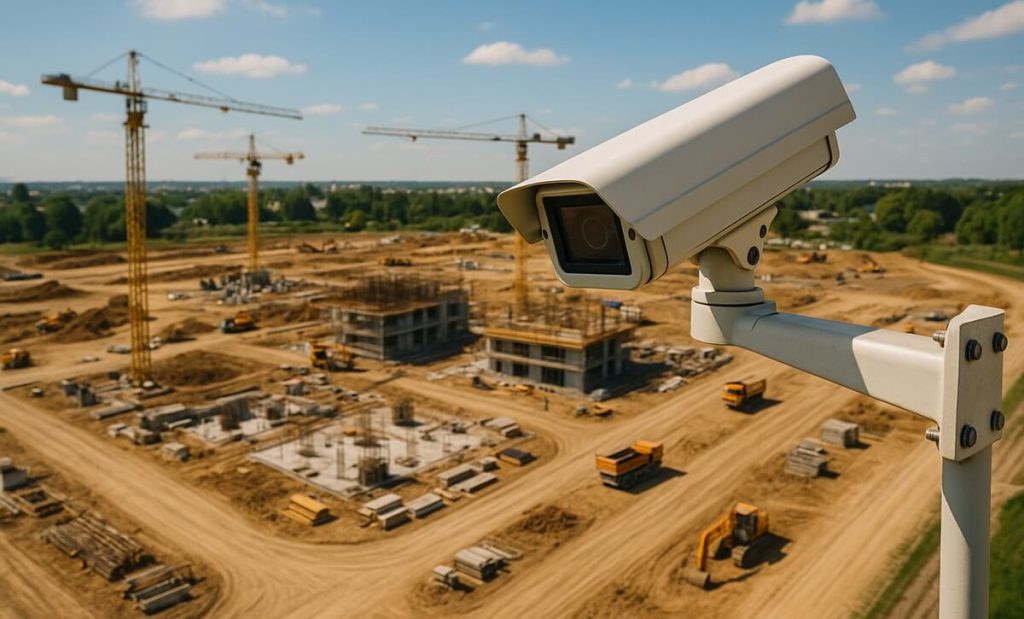
CCTV camera with aerial view of an active construction site in summer supporting site safety, project tracking, and real-time monitoring.
CCTV on construction sites is no longer just about deterring theft. It’s fast becoming an essential tool for construction site owners looking to protect staff, improve project oversight, and minimise financial losses. From preventing unauthorised access to enabling remote site management, construction site CCTV is transforming how modern construction projects are run.
Paul Goossens, Operations Director at SafeSite Facilities, explains why:
“CCTV is the ultimate double protection tool. Yes, it helps prevent crime, but it also plays a critical role in keeping employees safe, managing projects more efficiently and even reducing insurance costs. It’s a vital asset for any construction site.”
Paul Goossens, Operations Director at SafeSite Facilities
1. Better Safety Compliance with Constant Oversight
On busy construction sites, safety breaches often go unnoticed unless you’ve got live video footage and real-time alerts. The presence of CCTV cameras encourages workers to follow safety rules, especially when they know they’re under video surveillance.
When workers know they’re being monitored, they’re more likely to follow safety protocols such as wearing five-point PPE. This behavioural shift improves compliance and reduces risk across the job site.
CCTV camera in position above a busy construction site, supporting security, safety, and project monitoring on a bright English summer day.

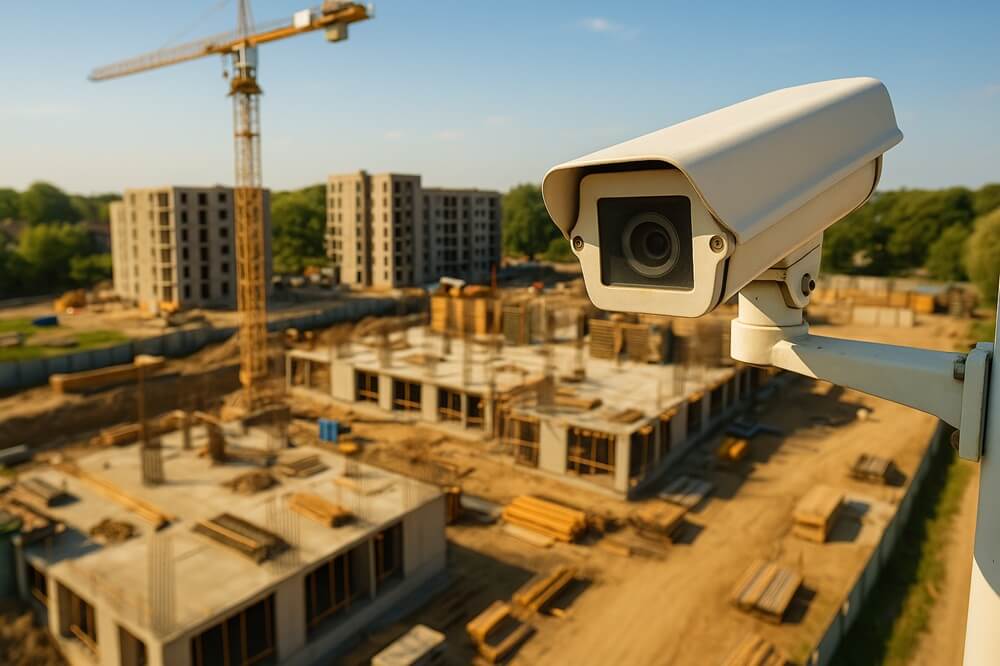
Some modern CCTV systems include video analytics and motion detection, capable of identifying whether workers are wearing essential gear like hard hats and high-vis clothing. These intelligent security systems automatically flag non-compliance, supporting construction site management in preventing accidents and reducing false alarms.
2. Audio Warnings for Immediate Action
Many modern surveillance cameras now include public address systems, enabling immediate response to unsafe behaviour. If someone enters a restricted zone or bypasses access control, site managers can intervene via audio in real time.
This type of quick response prevents accidents and reinforces safety culture, without needing a full-time security team at every job site.
3. Footage for Later Review and Legal Protection
When accidents do happen, video footage from construction site surveillance provides unbiased evidence. This allows site managers to review what happened, address potential threats, and prevent recurrence.
It also helps resolve insurance claims, disputes, or false accusations quickly. Clear, high-quality footage, especially with night vision cameras, removes ambiguity, even in harsh environments.
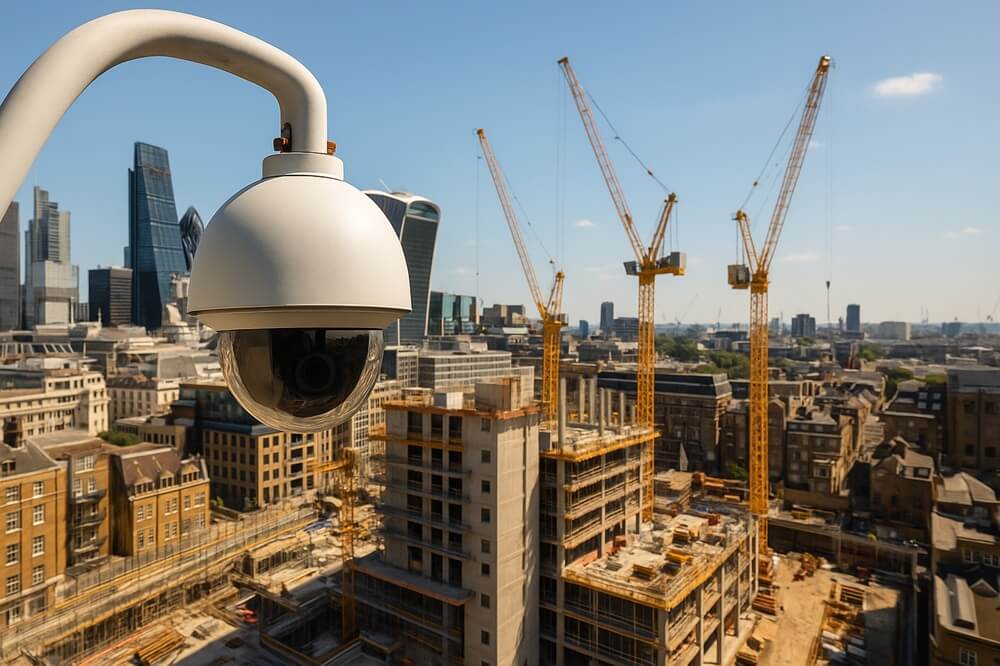
A CCTV dome camera actively monitors a central London construction site during a sunny summer day, demonstrating real-time surveillance in dense urban environments.
4. Lower Premiums and Fewer Financial Losses
Insurance providers are increasingly recognising construction site CCTV as a strong deterrent to incidents. Comprehensive video monitoring may contribute to reduced premiums and quicker claim resolution, especially when used alongside an integrated alarm system.
With better protection against material theft, site owners can avoid unnecessary financial losses and reputational harm.
5. Protecting the Public from Harm and Liability
Unauthorised individuals, often children, sometimes access construction sites, especially during school holidays. With night vision, motion detection, and remote monitoring, CCTV cameras can detect suspicious activity and trigger alerts or alarms.
This helps prevent serious accidents and shields the business from legal consequences linked to unauthorised access or injuries caused by unsafe site conditions.
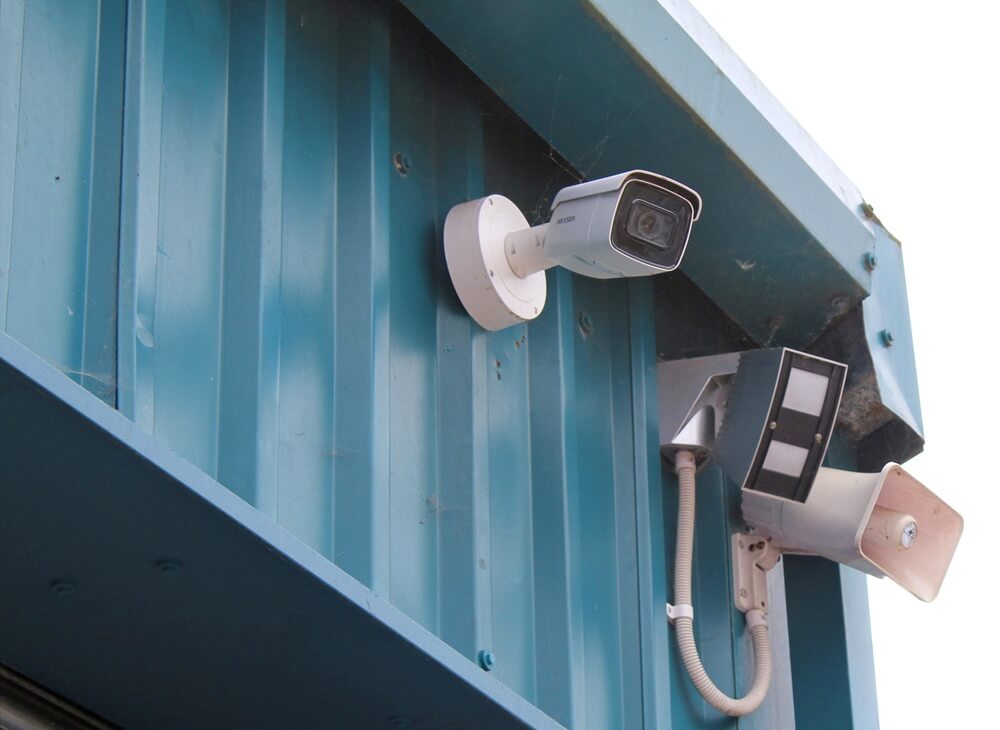
Construction site CCTV camera mounted on a blue steel unit with a floodlight and sensor
6. Improving Project Management and Delivery Coordination
CCTV isn’t just for safety, it’s a powerful project management tool. Modern video surveillance systems give project managers remote access to live monitoring across multiple construction sites, helping them stay informed without being on-site.
Off-site managers can track progress, check whether key milestones have been met, and verify that materials have been delivered and installed on time. With the right network infrastructure and cloud storage, managers can also review camera positions, monitor activity in critical areas, and keep an eye on the full job site.
This level of constant oversight improves operational efficiency, supports timely delivery, and keeps stakeholders up to date across all phases of construction projects, even in harsh environments or extreme temperatures.
7. Ensuring Compliance with Delivery Conditions
Planning permissions often come with strict conditions on delivery times, access routes, and exit points. With modern remote video monitoring, construction site management can oversee and document all activity, ensuring full compliance.
CCTV allows site managers to monitor and record all deliveries, track vehicle movements, and provide video footage in the event of disputes with neighbours or local authorities. Whether it’s a lorry blocking a driveway or materials arriving outside approved hours, clear footage day or night gives you the evidence needed to resolve complaints quickly.
This level of construction site surveillance supports regulatory compliance and helps maintain good relationships with stakeholders and the public.
Smart Features for Better Jobsite Security
Modern CCTV systems can now operate off-grid with solar panels and alternative power sources, making them ideal for construction site security camera setups in remote or undeveloped areas. Whether you’re dealing with blind spots, critical areas, or protecting valuable equipment, today’s visible security cameras are designed to be resilient and proactive.
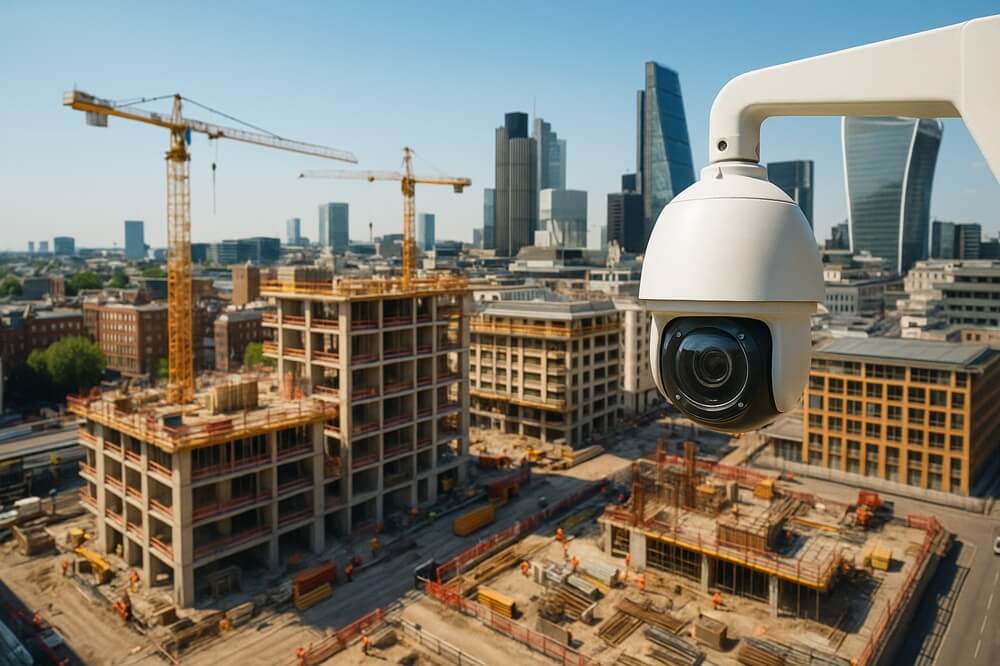
A dome-style CCTV camera monitors a busy construction site in London’s city centre on a bright summer day, highlighting the role of surveillance in urban construction safety.
Paul Goossens: Why CCTV Is Critical on Every Site
Paul Goossens adds:
“Tragically the Health and Safety Executive reported 51 people died in the construction industry between 2023–2024 at the end of last year.
And every year we read of several devastating instances where children die after entering a construction site.
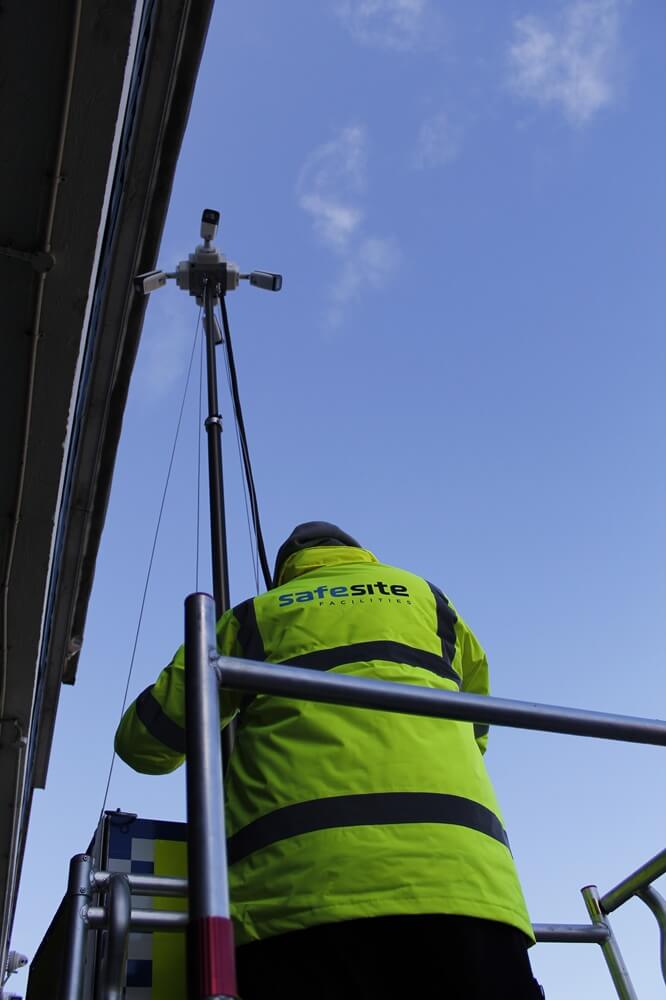
SafeSite Facilities engineer setting up a mobile CCTV tower for temporary site surveillance
Employing CCTV to monitor site safety and prevent accidents is just one of the important defences construction sites should deploy to keep their employees and members of the public safe.”
Why Every Construction Site Now Needs CCTV
In 2025, CCTV on construction sites isn’t just a nice-to-have. It’s a necessary investment in safety, accountability, and smart construction site security. From reducing construction site theft to creating a safe working environment, the benefits go well beyond crime prevention.